
Certification Class
Categories
Certification
Color
Price
Availability
Class 1, Class E, and the cheapest Class 3 upgrade there is
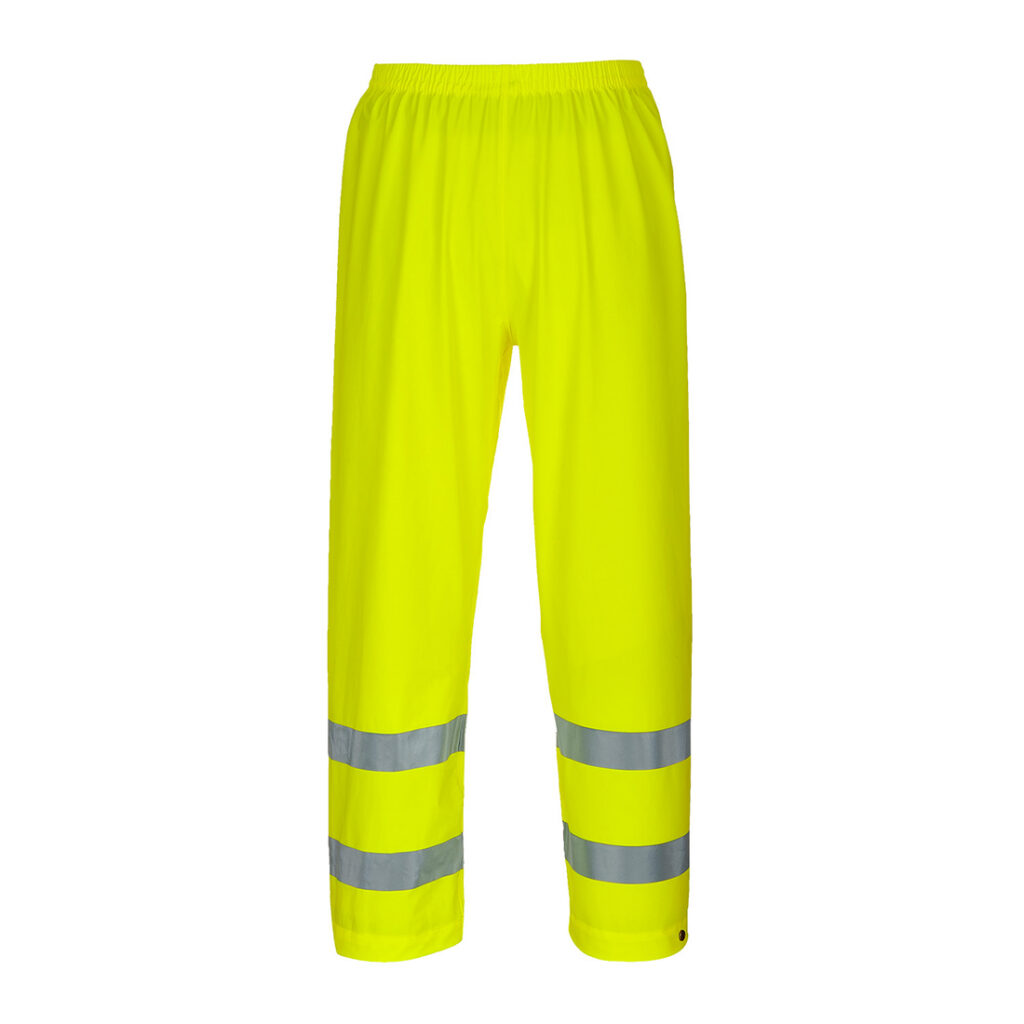
The Class E trick most people miss: a pair of Class E hi-vis pants worn with a Class 2 or Class 3 top counts as a full Class 3 ensemble. If your job calls for Class 3 and you’re already wearing a Class 2 vest, adding Class E pants gets you there — usually for less than replacing the vest, and you’re more visible from every angle while you’re at it. Look for “Class 1” service and work pants in this category for everyday wear, and Class E styles when you’re building an ensemble.
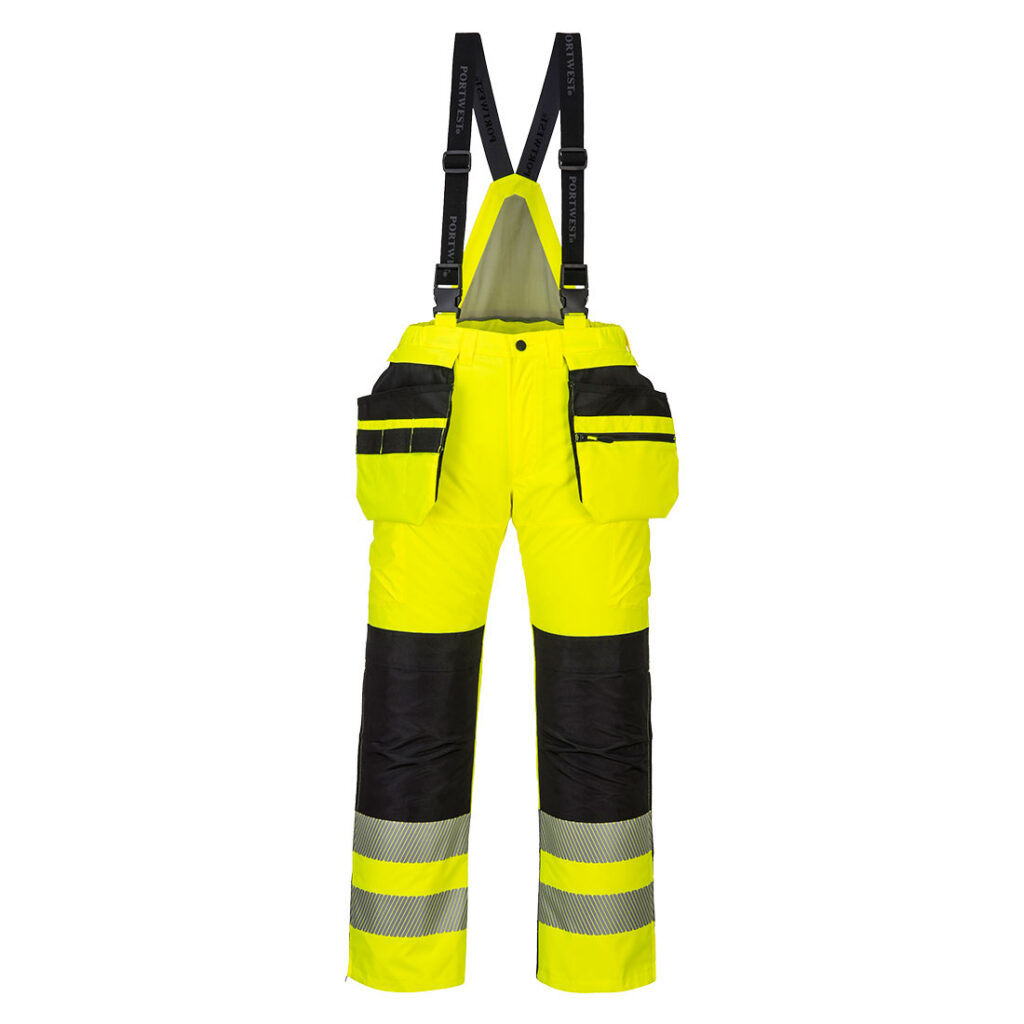
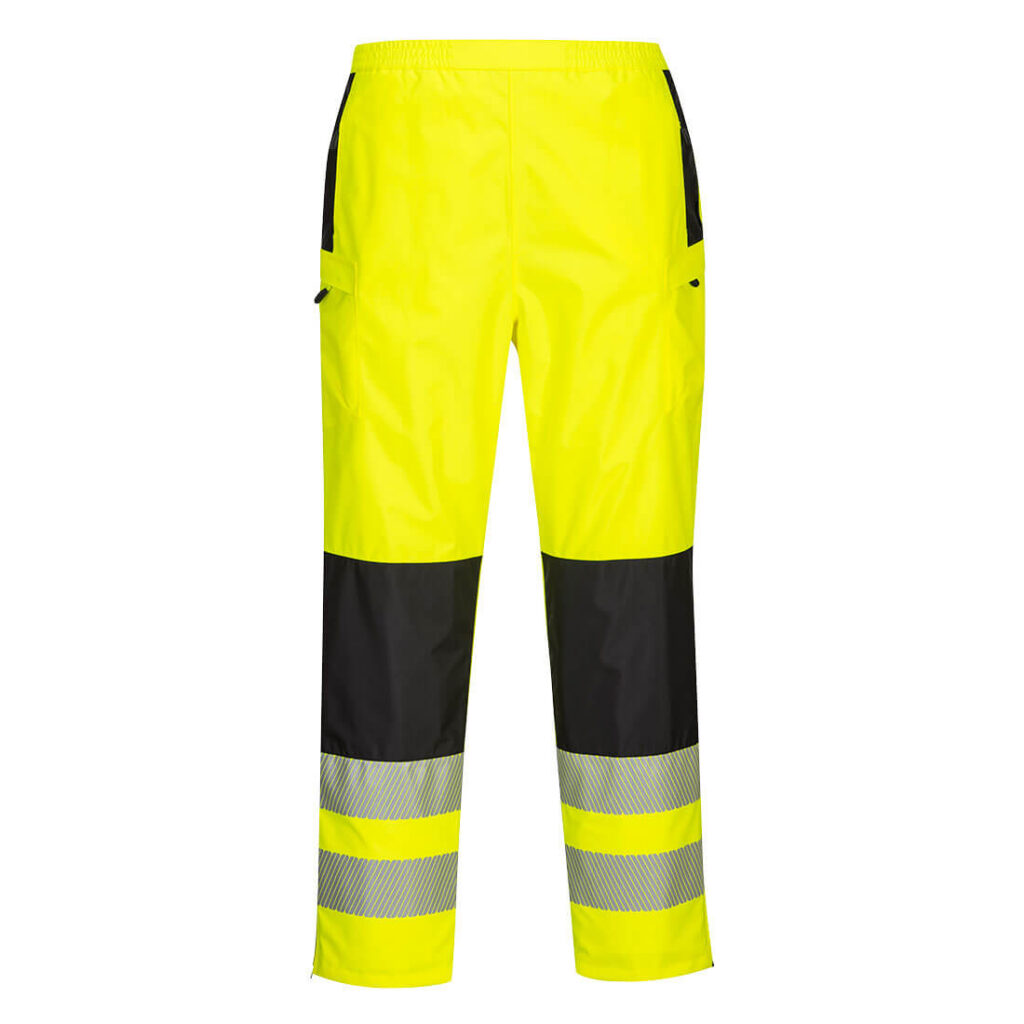
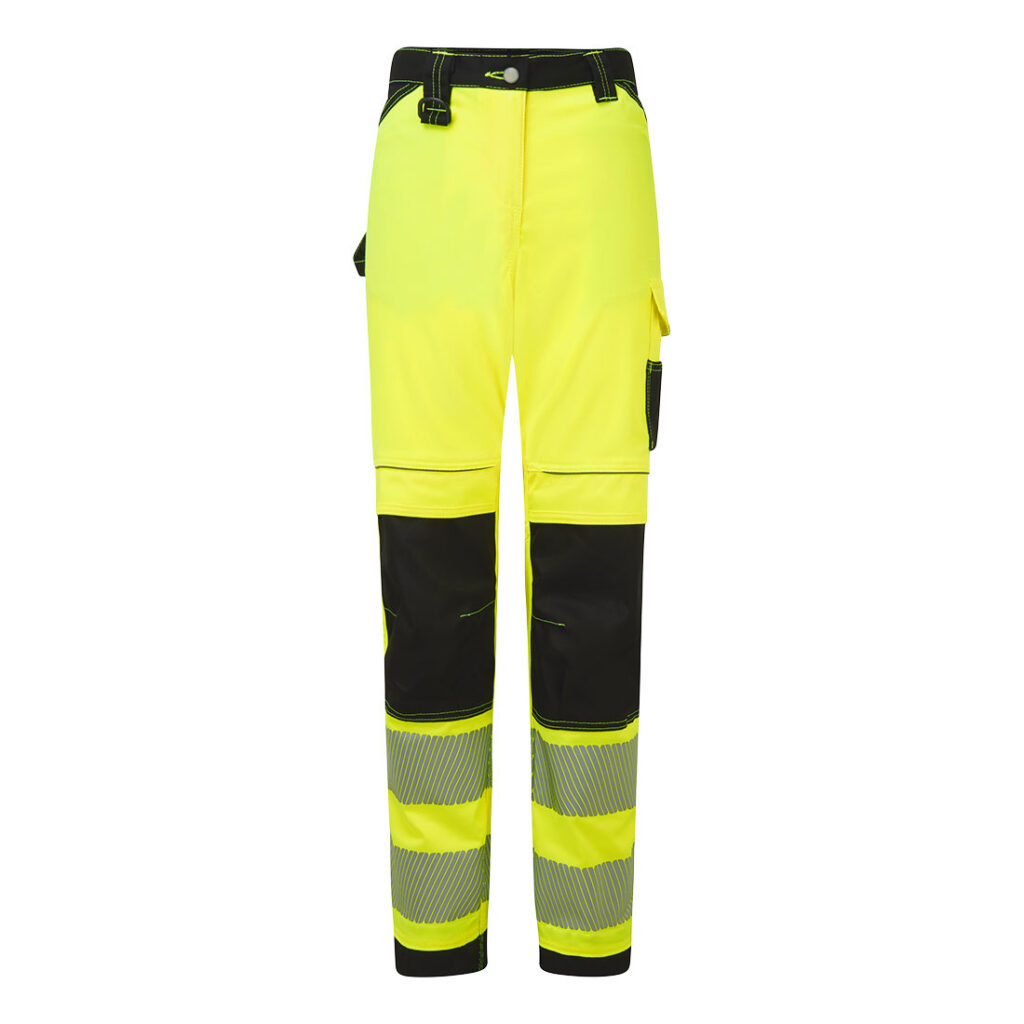
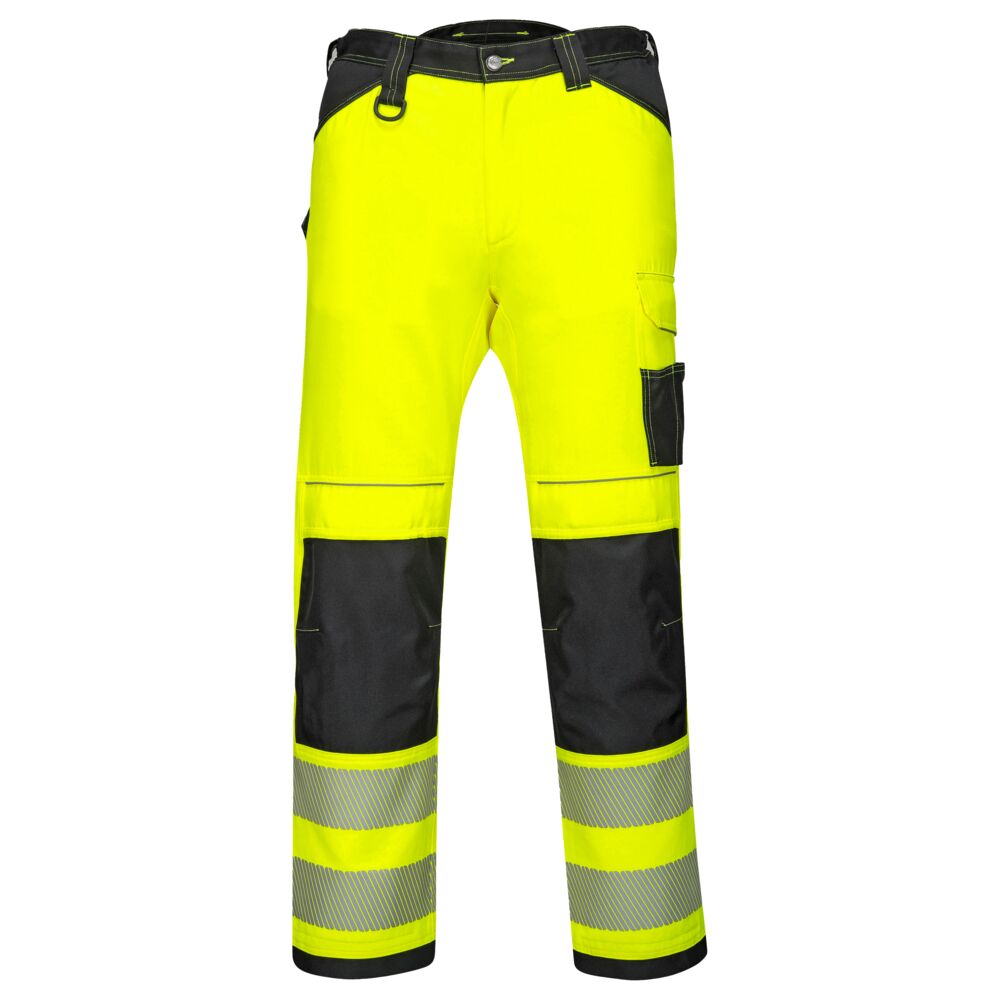
Work pants vs rain pants vs overpants. Work pants (PW3, service, and combat styles) are your daily drivers — pockets, knee-pad options, and tape that survives the wash. Rain pants are waterproof first: Sealtex Ultra and PW3 Extreme are for standing in weather all shift. Overpants — including the mesh versions — go over your regular pants, which makes them the right answer for intermittent work, visitors, and anyone whose hi-vis need changes by the hour.
Winter is its own category of misery. Insulated winter pants in this section pair with our winter jackets for a full cold-weather setup. Cold workers cut corners; warm workers don’t have to.
Questions, answered
What are Class E pants?Class E is the ANSI designation for hi-vis bottoms — pants, bibs, and shorts. Worn on their own they don’t meet Class 2 or 3, but combined with a Class 2 or Class 3 garment on top, the outfit counts as Class 3.
Are hi-vis pants required on a job site?Requirements depend on your employer and the work — many road and utility crews require hi-vis bottoms at night or on high-speed work. Check your site safety plan; if it says Class 3 ensemble, Class E pants plus your vest is the simplest way to comply.
Do these come in women’s cuts?Yes — PW3 women’s stretch work pants and women’s rain pants are in this category, designed for women rather than resized from men’s patterns.